How Does F1 Betting Work? Race Winner, Podiums and Head-to-Heads
A Formula 1 weekend offers markets well beyond the race winner. Podiums, points finishes, teammate matchups, qualifying and championship bets, and how penalties and retirements affect settlement.
- Posted
- Reading time
- 3 min
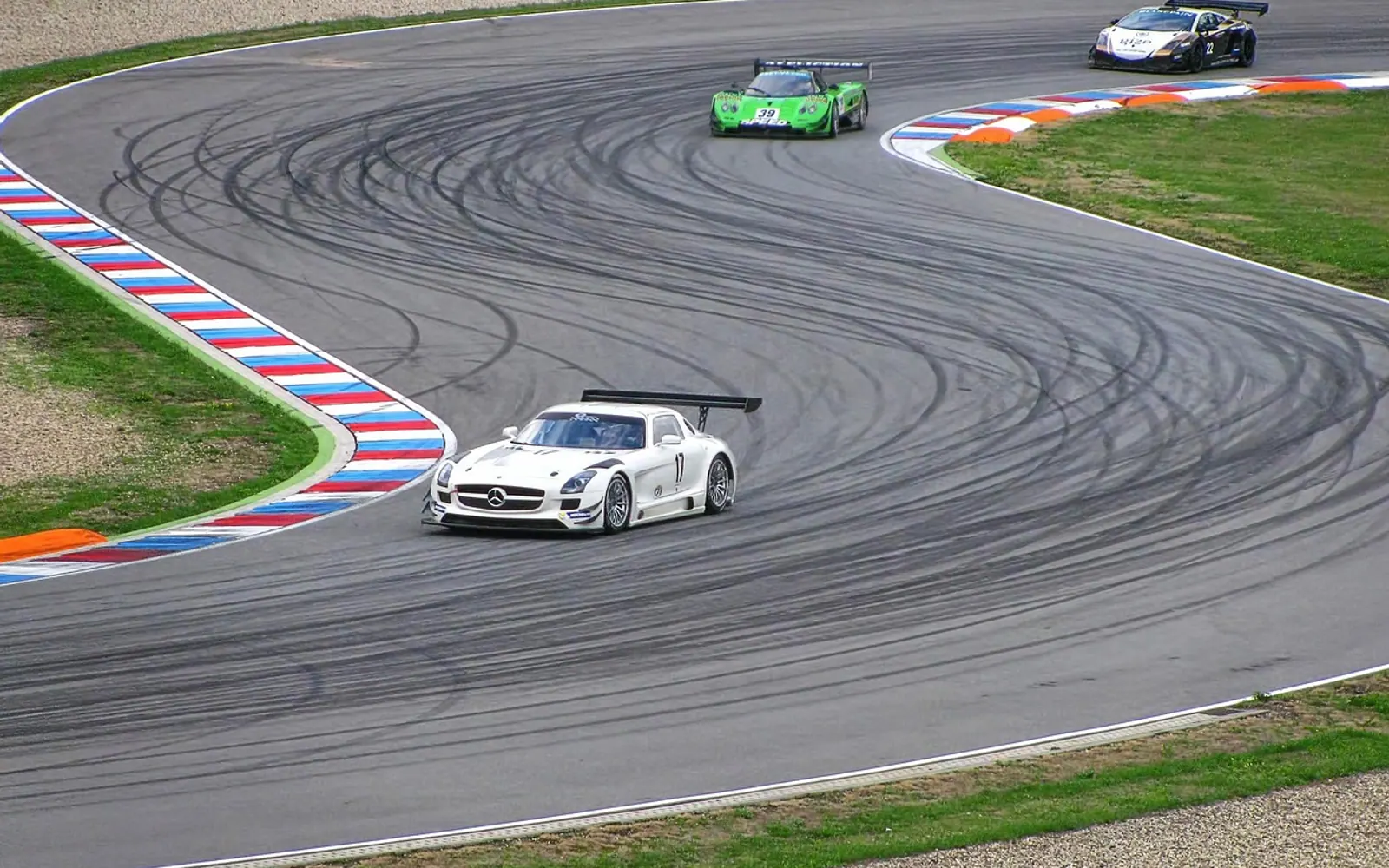
The lights go out, twenty-odd cars funnel into the first corner, and within a lap the order that looked settled on Saturday can be scrambled. That unpredictability at the start, combined with long stretches where one car simply pulls away, shapes how Formula 1 is priced. Most F1 bets are not about two sides. They pick one driver, or one team, against the rest of the grid.
Race winner
The main market names the driver who takes the chequered flag first. It works like any outright: every driver has a price, and the strongest car on current form sits at the front of the list. When one team is clearly faster, its drivers can be priced very short, and the rest of the field drifts out to long odds. When the grid is close, prices spread more evenly.
Because the market covers a whole field, the bookmaker's margin is shared across every name. Add the implied chances of all drivers together and the total comes out well above 100%. The same field-against-one layout appears in golf outright betting, with a much larger field.
Finishing-position markets
- Podium finish: the driver finishes in the top three.
- Top six or points finish: the driver finishes inside the stated range, often the top ten, which are the points-scoring places.
- Winning margin: the gap between first and second, in time bands.
- Classified finishers: over or under a number of cars that complete enough of the race to be classified.
- Safety car: whether a safety car is deployed at any point.
Podium and points bets pay less than a race win but land more often. For a driver in a midfield car they turn a long-shot outright into a question that can actually be judged: is this car quick enough to finish ahead of most of the field?
Head-to-head matchups
A matchup takes two drivers and asks only which finishes ahead of the other. Teammates are the most common pairing, since they drive the same car and the comparison is as direct as the sport allows. The labels of favourite and underdog apply just as they do in a two-team sport.
The rule that matters is what happens when one or both drivers retire. Books differ: some settle on whoever completed more laps, some void the bet if either driver fails to start, and some treat a retirement as a loss for that driver. Read the market rules before placing a matchup.
Qualifying, sprint and season markets
| Market | Question | When it settles |
|---|---|---|
| Pole position | Who sets the fastest qualifying time | After qualifying |
| Sprint winner | Who wins the shorter sprint race on weekends that have one | After the sprint, separately from the main race |
| Fastest lap | Which driver sets the quickest single lap in the race | After the race |
| Drivers' championship | Who finishes the season with the most points | At the end of the season |
| Constructors' championship | Which team scores the most points across both cars | At the end of the season |
Season-long bets tie money up for months, and the price you take in March can look very different by midsummer. That gap is one reason prices for the same driver vary between books; comparing them first is the habit described in line shopping.
Penalties and the official result
Stewards can hand out time penalties during or after a race, and occasionally a car is disqualified hours later. Many sportsbooks settle on the order at the podium presentation and ignore later changes; others wait for the classification to become official. Neither approach is better for the bettor, but not knowing which one applies leads to surprises. A rain-shortened race is usually settled on the result as declared, even if fewer laps were run.
Keeping a race weekend affordable
A race weekend spreads over three days, with practice, qualifying and the race all producing markets. Choosing one or two bets for the weekend, at a fixed stake, keeps the cost tied to the entertainment rather than to every session on the timetable. F1 betting is open to adults only, and the rules on sports wagering differ from place to place, so check what applies where you are.
Latest by topic
Ground rules
Statements that hold on any platform
General points we lean on in nearly every article, whatever the game or market.
Every commercial game and betting market is priced to leave the operator in profit across many rounds.
A spin, a card or a match result has no memory of what came before it.
Promotional money almost always comes with conditions attached to withdrawal.
The legal age and the legal status of gambling depend on where you are standing when you play.
Fast games and in-play markets apply their cost more often per hour than slower ones.
Free, confidential support for gambling problems is available in most countries.
Keep reading
- Beginners
How Does Cricket Betting Work? Formats, Markets and Rain Rules
A five-day Test and a three-hour T20 are different betting propositions. How cricket formats shape the markets, how player and innings bets settle, and how weather rules apply.
4 min
- Beginners
How Does UFC Betting Work? Fight Odds, Method of Victory and Rounds
Mixed martial arts markets go well beyond picking the winner. The fight moneyline, method and round props, half-round totals and the rules that apply when a bout changes late.
4 min
- Beginners
Favorite vs Underdog in Betting: What the Labels Mean
Favorite and underdog are the first two labels a new bettor meets. How to read them in every odds format, turn a price into an implied chance, and avoid the habits that make either label costly.
4 min