How Does Cricket Betting Work? Formats, Markets and Rain Rules
A five-day Test and a three-hour T20 are different betting propositions. How cricket formats shape the markets, how player and innings bets settle, and how weather rules apply.
- Posted
- Reading time
- 4 min
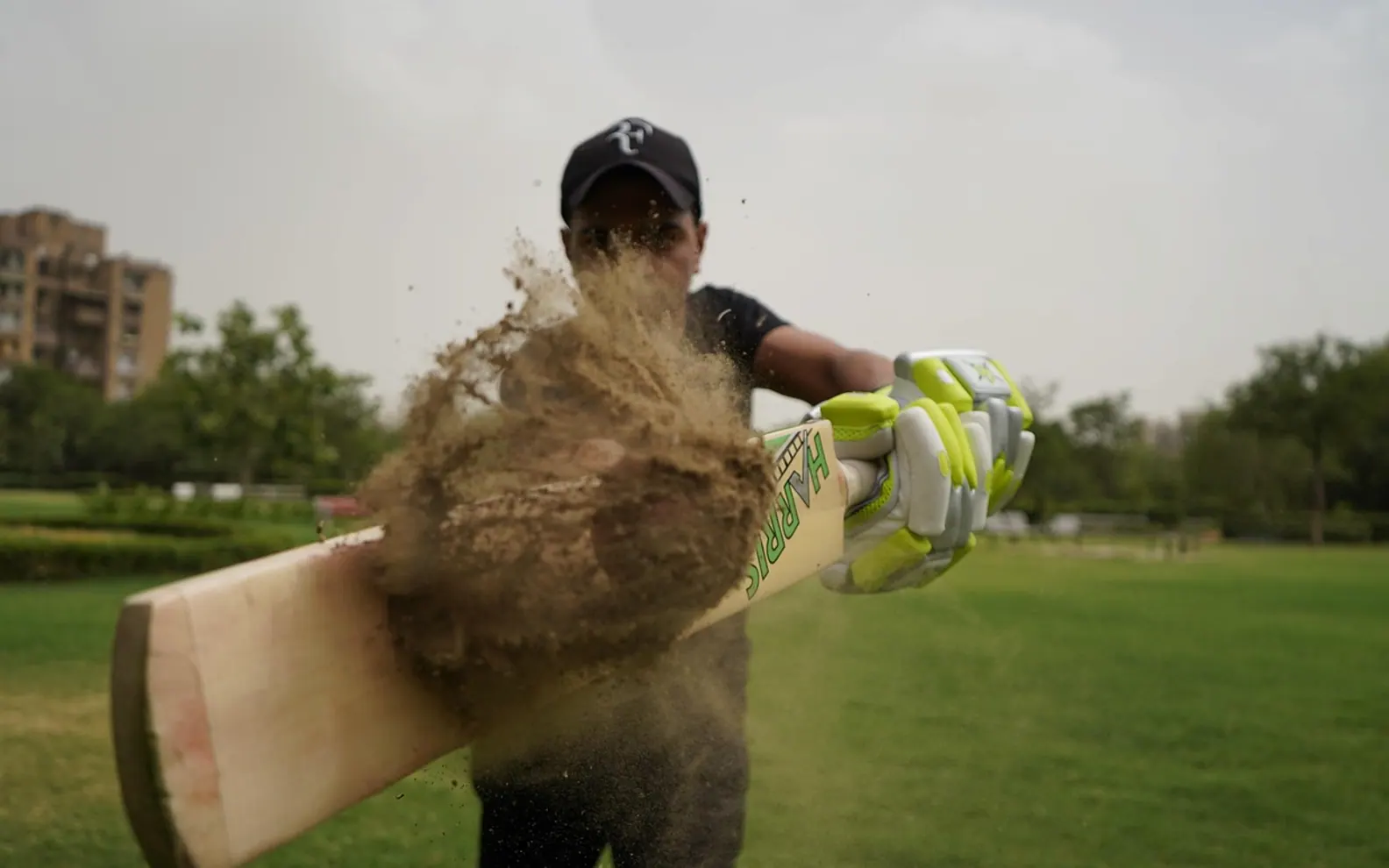
Cricket betting depends on the format being played. A Test match lasts up to five days and can end in a draw, so its result market has three outcomes. One-day internationals (50 overs a side) and T20 matches (20 overs a side) almost always produce a winner within a day, so their main market is a two-way choice. On top of the result sit player markets, innings totals and a long list of smaller bets, and all of them are shaped by one factor more than in most sports: the weather.
The three main formats
| Format | Length | Can it be drawn? | Main result market |
|---|---|---|---|
| Test | Up to five days, two innings per side | Yes | Team A, draw, team B |
| One-day (ODI) | 50 overs per side | No, though ties and no-results happen | Team A or team B |
| T20 | 20 overs per side | No, though ties and no-results happen | Team A or team B |
The draw is what makes Test betting distinctive. A strong team can dominate a match and still fail to win if time runs out, which is why the draw price often shortens sharply when rain takes a day away.
Ties and Super Overs
In limited-overs cricket, both teams can finish on the same score. Many competitions now settle a tie with a Super Over, a one-over contest per side. Whether a match bet is settled on the Super Over result or treated as a tie, with stakes split under dead heat rules, depends on the sportsbook and sometimes on the competition. The house rules state which applies.
Popular cricket markets
- Toss winner. A coin flip with a price attached. Since the toss is pure chance, the margin is the only thing that separates the price from fair odds.
- Top team batter. Which player scores the most runs for a side. Ties are settled by dead heat, splitting the stake.
- Top team bowler. Usually decided by wickets taken, with runs conceded as a tie-breaker in some books.
- Innings runs. Over or under a total for a team's innings, working just like team totals in other sports.
- Player runs. Over or under a number of runs for one batter.
- Total match sixes. Popular in T20, where big hitting is a central part of the game.
- Powerplay runs. Runs scored in the opening overs while fielding restrictions apply.
- Method of dismissal. How the next or the first wicket falls: caught, bowled, leg before wicket, run out or stumped.
Rain, reduced overs and DLS
Rain stops cricket entirely, and the rules that follow decide many bets.
Limited-overs matches
When a one-day or T20 match loses overs to weather, the target for the team batting second is recalculated using the Duckworth-Lewis-Stern method, usually called DLS. Match bets are normally settled on the official result, including any DLS adjustment. If too few overs are possible for a result, the match is declared a no-result and match bets are usually voided.
Innings and player markets
Markets such as innings runs or total sixes depend on the number of overs. If an innings is shortened after the bet is placed, many sportsbooks void those bets unless the outcome was already decided, such as an over bet whose line had already been passed. The exact rule differs between books and is worth checking before a weather-affected match.
Test matches
A Test that loses time to rain continues with what is left. Match bets stand, and the draw becomes more likely as days are lost.
Live cricket betting
A cricket match has natural breaks between balls, overs and innings, and live markets reprice at every one. Broadcast delays vary, and the habits covered in mistakes people make with live scores apply here too: a wicket on the screen may already be in the price.
Exchanges also list cricket markets, where bettors can back or lay a team as the match develops; how betting exchanges work explains the mechanics.
Reading the conditions
Cricket is unusually sensitive to its setting, and prices reflect that:
- The pitch. Some surfaces help fast bowlers, others favour spin, and many change as a match goes on.
- The toss. Winning it lets a captain choose whether to bat or bowl first in the conditions on offer.
- Light and weather. Overcast skies can help swing bowling; poor light can stop play.
Knowing these factors helps in following a match. It does not make the outcome predictable.
Common questions
What happens to a bet if a Test match is drawn?
Bets on either team lose, and bets on the draw win. Some sportsbooks also offer "draw no bet", which refunds the stake on a draw.
Is betting on cricket legal everywhere it is played?
No. In several of the countries where cricket is most popular, betting is tightly restricted or banned outright. Adults should check the law where they live before opening any account, and decide a fixed amount for a series rather than topping up after each session of play.
Latest by topic
Ground rules
Statements that hold on any platform
General points we lean on in nearly every article, whatever the game or market.
Every commercial game and betting market is priced to leave the operator in profit across many rounds.
A spin, a card or a match result has no memory of what came before it.
Promotional money almost always comes with conditions attached to withdrawal.
The legal age and the legal status of gambling depend on where you are standing when you play.
Fast games and in-play markets apply their cost more often per hour than slower ones.
Free, confidential support for gambling problems is available in most countries.
Keep reading
- Beginners
How Does UFC Betting Work? Fight Odds, Method of Victory and Rounds
Mixed martial arts markets go well beyond picking the winner. The fight moneyline, method and round props, half-round totals and the rules that apply when a bout changes late.
4 min
- Beginners
Favorite vs Underdog in Betting: What the Labels Mean
Favorite and underdog are the first two labels a new bettor meets. How to read them in every odds format, turn a price into an implied chance, and avoid the habits that make either label costly.
4 min
- Gambling Tips
What Is Line Shopping? Comparing Prices Before You Bet
The same bet can cost different amounts at different sportsbooks. How line shopping trims the margin you pay, with break-even rates for common prices and the catches involved.
4 min