Favorite vs Underdog in Betting: What the Labels Mean
Favorite and underdog are the first two labels a new bettor meets. How to read them in every odds format, turn a price into an implied chance, and avoid the habits that make either label costly.
- Posted
- Reading time
- 4 min
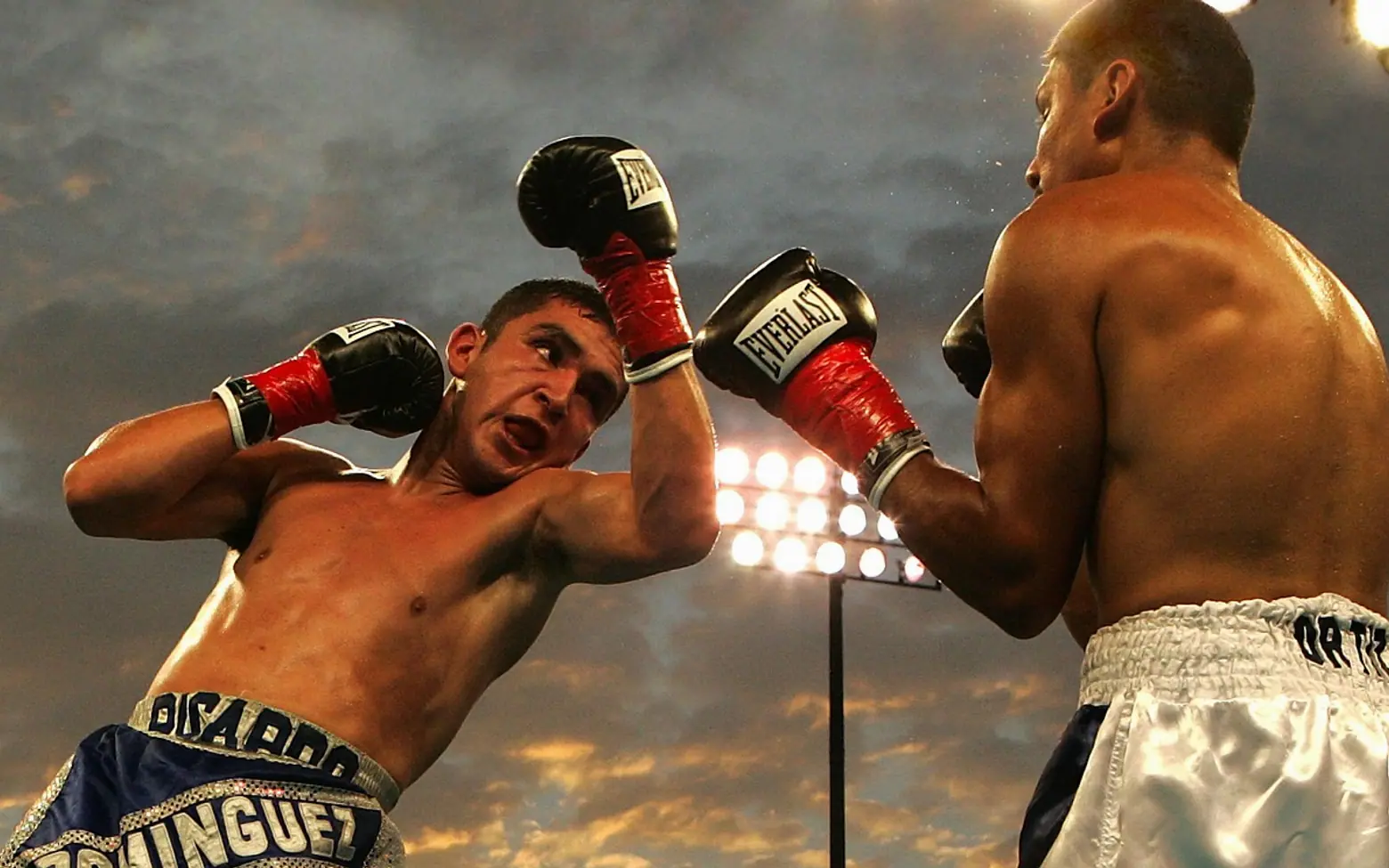
In betting, the favorite is the side the odds rate as more likely to win, and the underdog is the side rated less likely. Backing the favorite pays less because the outcome is expected; backing the underdog pays more because it is not. Neither label says anything about whether a bet is a good idea. They only describe what the price already assumes. This explainer is written for adult beginners who want to read a line before placing anything on it.
Spotting each side in the three odds formats
The same match can be shown in American, decimal or fractional odds. The favorite and underdog are easy to find in each once you know what to look for.
| Format | Favorite looks like | Underdog looks like | How to read it |
|---|---|---|---|
| American | −150 | +130 | Minus: stake needed to win 100. Plus: amount won on a 100 stake. |
| Decimal | 1.67 | 2.30 | Total return per 1 staked, including the stake. Lower number = favorite. |
| Fractional | 4/6 | 13/10 | Profit relative to stake. "Odds-on" (smaller than evens) = favorite. |
The example prices are illustrative. When both sides are close to even, books sometimes call the game a pick'em, and a small difference in price is all that separates the two.
From price to implied chance
Every price can be turned into an implied probability, the chance the odds are pricing in. The sums are short.
- Favorite, American minus odds: odds ÷ (odds + 100). For −150: 150 ÷ 250 = 60%.
- Underdog, American plus odds: 100 ÷ (odds + 100). For +130: 100 ÷ 230 ≈ 43.5%.
- Decimal odds: 1 ÷ decimal price. For 1.67: about 60%.
Add the two sides together and the result is above 100% (here roughly 103.5%). The extra is the bookmaker's margin. It means that even a fairly priced favorite and underdog both cost a little more than their true chance suggests, which is why the idea of expected value in gambling is worth understanding before choosing a side.
Favorites and underdogs with a spread
In sports like American football and basketball, many bets use a point spread instead of a straight winner market. The favorite is shown with a minus number (for example −6.5), meaning it must win by more than that margin. The underdog is shown with a plus number (+6.5) and wins the bet by losing by less than that margin, or by winning outright. The spread is designed to make the two sides roughly equal propositions, so both are often priced close to each other.
Myths worth dropping early
"Favorites are safe"
A 60% chance still loses four times out of ten. Short prices also mean a single loss wipes out the profit from several wins. Stacking several heavy favorites into one parlay multiplies the risk rather than removing it, because every leg has to come in.
"Underdogs are where the value is"
A bigger payout is simply compensation for a lower chance, and the book's margin is built into the underdog's price just as it is into the favorite's. Backing every underdog by habit does not get around that.
"The favorite is who will win"
The label reflects the price, and the price reflects information and money flowing into the market. It can change before the start. Injury news or weather can turn a favorite into an underdog overnight.
How beginners can use the labels well
- Read the implied chance before the payout. Ask whether you genuinely think the team's chance is higher than the price suggests. If you have no reason, there is no edge.
- Compare prices. The same favorite can be −150 at one licensed book and −140 at another. That gap matters more over time than picking sides; see what line shopping is.
- Keep stakes flat. Betting larger on favorites because they "should" win concentrates risk on short prices.
- Keep a record. Note the side, the price and the result. Over a few months the record shows whether the labels are misleading your choices.
Quick answers
What does +200 mean?
It marks an underdog. A 100 stake returns 200 in profit plus the stake if it wins. The implied chance is 100 ÷ 300, about 33%.
Can both sides have minus odds?
Yes, in close matches. For example, both sides at −110 means neither is a clear favorite and the book's margin sits on both prices.
Is it better to bet favorites or underdogs?
Neither is better by default. What matters is whether the price is fair compared with the real chance, and that is hard to judge consistently.
Only bet with money set aside for entertainment, stop when it is spent, and make sure betting is permitted where you live.
Latest by topic
Ground rules
Statements that hold on any platform
General points we lean on in nearly every article, whatever the game or market.
Every commercial game and betting market is priced to leave the operator in profit across many rounds.
A spin, a card or a match result has no memory of what came before it.
Promotional money almost always comes with conditions attached to withdrawal.
The legal age and the legal status of gambling depend on where you are standing when you play.
Fast games and in-play markets apply their cost more often per hour than slower ones.
Free, confidential support for gambling problems is available in most countries.
Fill in the line, see the cut
Complete the sentence with both prices from one market. The reading below updates as you type.
, odds.
This is arithmetic on the prices you typed, not a prediction or a reason to bet. The cut is charged on both sides, so neither label is a bargain by default. Bet only as an adult, where it is permitted, with money set aside for entertainment.
Keep reading
- Beginners
How Does Cricket Betting Work? Formats, Markets and Rain Rules
A five-day Test and a three-hour T20 are different betting propositions. How cricket formats shape the markets, how player and innings bets settle, and how weather rules apply.
4 min
- Beginners
How Does UFC Betting Work? Fight Odds, Method of Victory and Rounds
Mixed martial arts markets go well beyond picking the winner. The fight moneyline, method and round props, half-round totals and the rules that apply when a bout changes late.
4 min
- Gambling Tips
What Is Line Shopping? Comparing Prices Before You Bet
The same bet can cost different amounts at different sportsbooks. How line shopping trims the margin you pay, with break-even rates for common prices and the catches involved.
4 min