Alternate Spreads and Buying Points: Moving the Line at a Price
Every extra point you take with an alternate spread is paid for in the price. How alternate lines and bought points work, with a ladder converted into implied probabilities.
- Posted
- Reading time
- 4 min
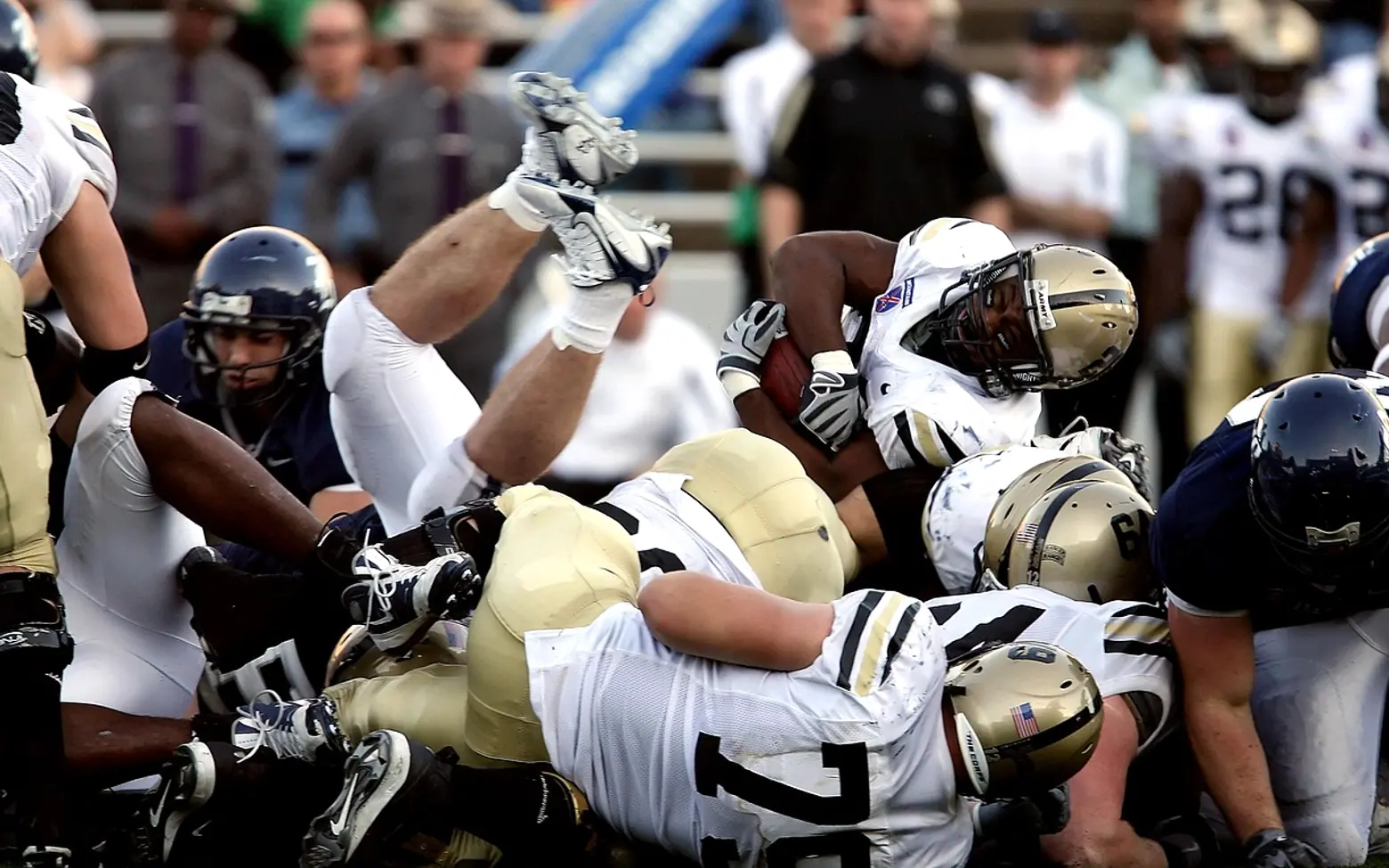
An alternate spread is a different version of a game's point spread, offered at a different price. Take more points with the underdog, or lay fewer with the favourite, and the price gets worse; push the line the other way and the price improves. Buying points is the same trade made a half point at a time on the main line. Either way, nothing is free: the sportsbook simply sells you a different handicap at a matching price.
The main line and its alternatives
The main spread is the one the sportsbook sets as close to an even contest as it can, usually priced around −110 on both sides. The basics are covered in what a point spread is. Alternate spreads are the rungs above and below it. Here is an illustrative ladder for an invented American football game in which the Bayside Gulls are favoured:
| Gulls line | Price | Implied probability |
|---|---|---|
| −13.5 | +250 | 28.6% |
| −10.5 | +170 | 37.0% |
| −6.5 (main line) | −110 | 52.4% |
| −3.5 | −175 | 63.6% |
| −1.5 | −240 | 70.6% |
The prices are invented for the example, but the shape is typical. Asking the Gulls to win by more pays more because it is less likely. Asking them to win by less costs more because it is more likely.
Turning prices into probabilities
The third column comes from a simple conversion. For a plus price, divide 100 by the price plus 100: +170 gives 100 ÷ 270, about 37%. For a minus price, divide the price by the price plus 100: −175 gives 175 ÷ 275, about 63.6%.
The same conversion shows the margin. If the other side of the −10.5 line, the underdog at +10.5, were priced at −210, its implied probability would be 210 ÷ 310, about 67.7%. Added to the Gulls' 37.0%, the two sides total about 104.7%. A fair pair would add up to exactly 100%; the extra is the sportsbook's cut. Alternate lines carry a margin just as the main line does, and it is not always the same size, so converting both sides is the only way to see it. The expected value explainer shows what that cut means over many bets.
Buying points
Buying points means paying a worse price to move the main line in your favour, usually by a half point at a time. An illustrative example: a favourite at −3 and −110 might be offered at −2.5 for −125. The extra cost moves the implied probability from about 52.4% to about 55.6%.
Whether that trade is sensible depends on how often games finish on exactly the number being bought, which nobody can know for a single game. In American football, margins of three and seven come up more often than their neighbours because of how the scoring works, which is why sportsbooks often charge more for moving across those numbers. In sports without such clustering, a half point changes the result less often.
Points in other sports
Baseball and hockey work with a fixed 1.5 handicap rather than a sliding spread, so their alternates mostly change the size of the handicap in whole steps. Spreads for part of a game, such as one half or one quarter, come with their own alternates; see what a first-half bet is. Totals have alternates too: higher or lower combined-score lines at adjusted prices, on the same principle as the main over/under market.
Alternate lines, teasers and parlays
A teaser moves several lines in the bettor's favour at once and combines them into one ticket at a reduced payout. Alternate lines are also popular inside parlays, where bettors swap the main line for an easier one on each leg. In both cases the margin on each adjusted line adds to the cost of the combined ticket. An easier line feels safer, but each one is bought with a shorter price, so the combined payout shrinks while any single leg can still sink the ticket.
Common questions
Are alternate spreads a better deal than the main line?
Not by design. They are priced to match the change in probability, plus a margin. A long-priced alternate pays more only because it wins less often.
Why are some alternate lines missing?
Sportsbooks choose which rungs to offer, and they may pull or reprice them as the game approaches, especially after team news.
Is buying a half point ever worth it?
It can only pay off when the game lands exactly on the number you moved past. That makes it a small, specific trade with a known cost and an uncertain benefit, rather than a way to make betting cheaper.
Only adults in places where sportsbooks are legal can place these bets; check the rules that apply to you, and keep each stake to an amount you could lose without a second thought.
Latest by topic
Ground rules
Statements that hold on any platform
General points we lean on in nearly every article, whatever the game or market.
Every commercial game and betting market is priced to leave the operator in profit across many rounds.
A spin, a card or a match result has no memory of what came before it.
Promotional money almost always comes with conditions attached to withdrawal.
The legal age and the legal status of gambling depend on where you are standing when you play.
Fast games and in-play markets apply their cost more often per hour than slower ones.
Free, confidential support for gambling problems is available in most countries.
Keep reading
- Guides
What Is a First-Half Bet? Halves, Quarters and Periods
Part-game markets cut a match into halves, quarters, periods or innings and settle each piece on its own. How they are priced, how they settle and where they catch people out.
3 min
- Guides
What Is an If Bet? Linked Wagers and the Action Reverse
An if bet chains straight bets so the next one only goes ahead after a win. Outcome tables for if bets, separate singles and the action reverse, with the costs worked out.
4 min
- Guides
What Is a Free Bet? Stake-Not-Returned Offers Explained
A $10 free bet is not worth $10. The stake-not-returned rule, the minimum odds and expiry dates that come with it, and how to tell it apart from other promotions.
4 min