What Is a First-Half Bet? Halves, Quarters and Periods
Part-game markets cut a match into halves, quarters, periods or innings and settle each piece on its own. How they are priced, how they settle and where they catch people out.
- Posted
- Reading time
- 3 min
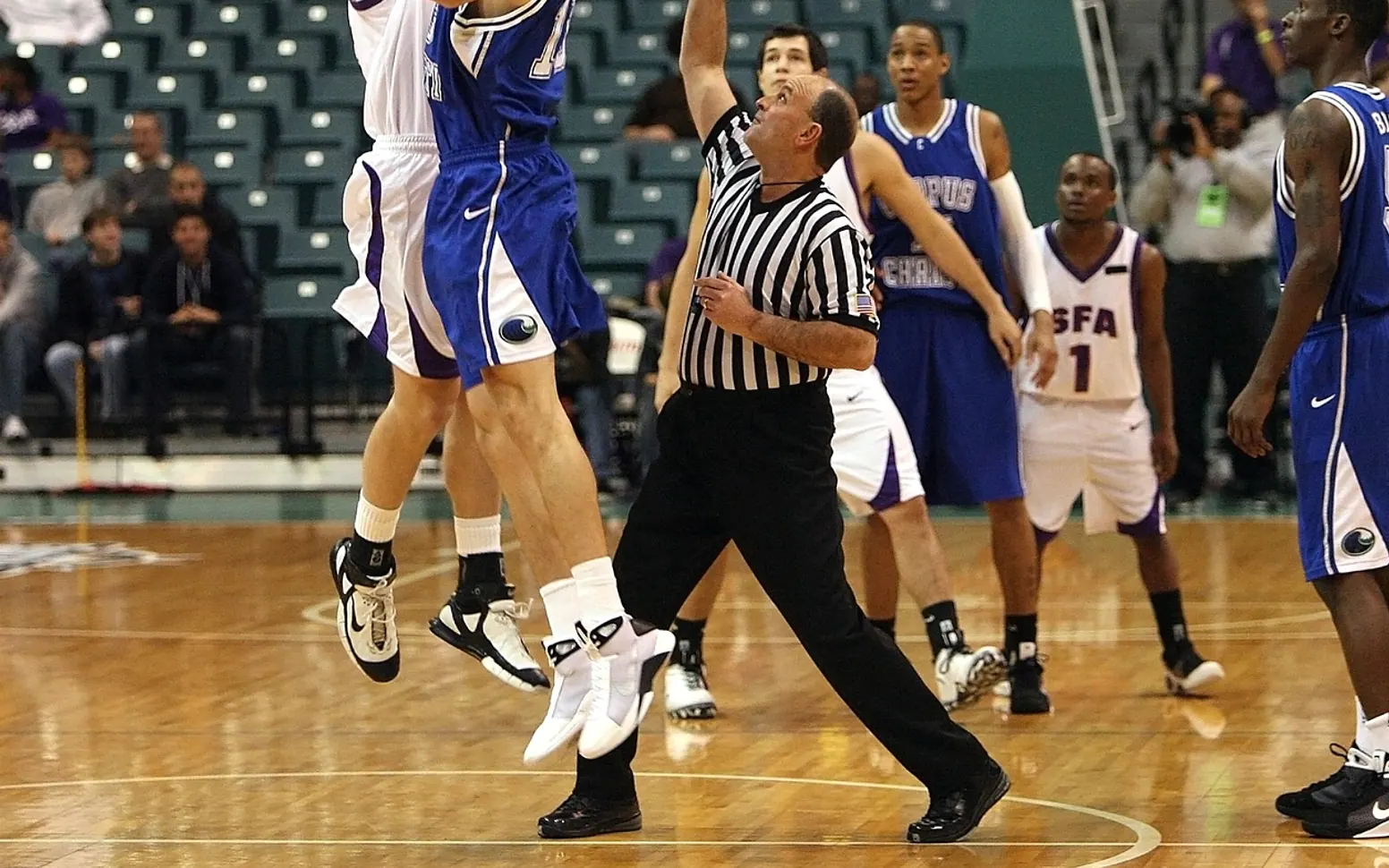
A first-half bet is a wager that is settled on the score at halftime. Whatever happens after the break does not count. Sportsbooks offer the same three markets for the half as for the full game: a spread, a total and a moneyline. The same idea is cut into smaller pieces too, such as single quarters in basketball and American football, periods in hockey and the first five innings in baseball.
These part-game markets are sometimes called derivatives, because their lines are derived from the full-game numbers.
How a first-half line looks
An invented American football game, with full-game and first-half lines side by side:
| Market | Full game | First half |
|---|---|---|
| Spread | Bayside Gulls −6.5 | Bayside Gulls −3.5 |
| Total | 44.5 | 21.5 |
| Moneyline | Gulls −280 | Gulls −190 |
The numbers are illustrative. If the Gulls lead 14–7 at halftime, a first-half bet on Gulls −3.5 wins (they lead by seven) and the first-half under 21.5 wins (21 points scored). Both bets are settled before the second half begins, regardless of the final score. The spread and total mechanics are the same as in how point spreads work and in full-game over/under betting.
Part-game markets by sport
- American football and basketball. First half, second half and each quarter, with spread, total and moneyline for each.
- Hockey. Individual periods, most often the first period total and result.
- Baseball. The first five innings, a market that leans heavily on the starting pitchers, and sometimes the first inning alone.
- Soccer. The first-half result as a three-way market (home, draw, away) and first-half goals over or under.
Ties, overtime and settlement
When the half ends level
A tied half is far more common than a tied game. How it settles depends on the market. In a two-way first-half moneyline, a tie is usually a push and the stake is returned. In a three-way market, the tie is a separate selection and the other two lose. Whole-number half spreads and totals can push as well.
Where overtime belongs
A first half can never include overtime. A second-half or final-quarter bet is a different matter: in many sportsbooks those markets include any overtime played, while others settle on regulation time only. Check the house rules for the sport before betting the back half of a game.
Postponed or shortened games
If a game is called off partway through, a first-half bet can stand if the half was completed, while full-game bets on the same match are voided. The rules differ by sport and sportsbook.
Alternate half lines
Part-game markets have alternates of their own: more or fewer points on the half spread, higher or lower half totals, each with an adjusted price. They follow the logic in alternate spreads and buying points, including the margin attached to every rung of the ladder.
Second-half betting at halftime
Many sportsbooks post second-half lines during the break. They are priced quickly, using the first-half score and everything that has happened so far. Halftime is short, and the pressure to decide fast is the point where plans tend to slip, especially after a first-half bet has lost. The habits in mistakes people make with live scores are directly relevant: a halftime bet made to recover the first half is a chased loss under another name.
Why people use part-game markets
Some bettors like getting a result sooner. Others follow how particular teams tend to start or finish games. Part-game markets also allow a view about one stretch of a game without taking a position on the whole thing. None of this makes them cheaper or easier than full-game markets; each carries its own margin, and over a shorter stretch of play, chance has even more say in the outcome.
Common mistakes
- Assuming a first-half line is exactly half the full-game line. It is usually close, but scoring patterns differ between halves and quarters.
- Forgetting the tie rule on a two-way half moneyline.
- Betting the second half without checking whether overtime counts.
- Splitting one game into four quarter bets and paying the margin four times.
Common questions
Are first-half bets settled at halftime?
Yes, once the half is officially complete, although the sportsbook may take a little time to update the account.
Can first-half bets go in a parlay?
Often, yes, though some books restrict combining a half bet with a full-game bet on the same match.
Part-game markets are for adults only, and only where sports betting is permitted; settle on one amount for the whole game before kickoff rather than a fresh budget for every half.
Latest by topic
Ground rules
Statements that hold on any platform
General points we lean on in nearly every article, whatever the game or market.
Every commercial game and betting market is priced to leave the operator in profit across many rounds.
A spin, a card or a match result has no memory of what came before it.
Promotional money almost always comes with conditions attached to withdrawal.
The legal age and the legal status of gambling depend on where you are standing when you play.
Fast games and in-play markets apply their cost more often per hour than slower ones.
Free, confidential support for gambling problems is available in most countries.
Keep reading
- Guides
What Is an If Bet? Linked Wagers and the Action Reverse
An if bet chains straight bets so the next one only goes ahead after a win. Outcome tables for if bets, separate singles and the action reverse, with the costs worked out.
4 min
- Guides
What Is a Free Bet? Stake-Not-Returned Offers Explained
A $10 free bet is not worth $10. The stake-not-returned rule, the minimum odds and expiry dates that come with it, and how to tell it apart from other promotions.
4 min
- Guides
How Does Golf Betting Work? Outrights, Top Finishes and Matchups
A golf tournament is a four-day race with a huge field and frequent ties. Outrights, each-way terms, top-10 bets, head-to-head matchups and the dead heat rule, worked through.
4 min