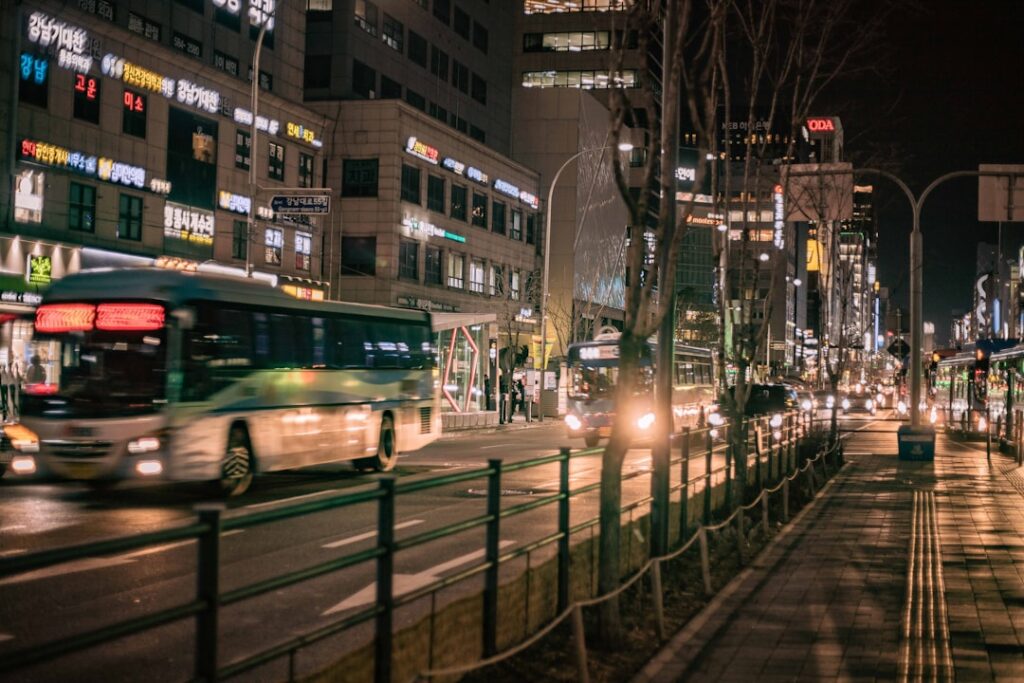
Gangnam nightlife is often described through its brightest surfaces: neon streets, high-energy clubs, polished lounges, and late-night crowds moving between districts that barely seem to sleep. Yet the real story goes deeper than music and cocktails. To understand why this part of Seoul holds such a powerful place in the global imagination, we have to look at the culture behind the spectacle. Gangnam after dark is not simply a party scene; it is a social ecosystem shaped by ambition, image, ritual, and rapid change. When we look beyond the beat, we find a nightlife culture that reflects modern South Korea itself: stylish, competitive, communal, and constantly reinventing its identity.
Why Gangnam Became Seoul’s Nightlife Symbol
Gangnam’s rise as a nightlife destination is closely tied to its broader cultural meaning. Over the past few decades, the district became synonymous with wealth, modernity, and aspiration. Wide boulevards, luxury retail, tech-friendly venues, and premium real estate helped position Gangnam as more than a neighborhood; it became a brand. That brand naturally extended into the evening economy, where bars, clubs, restaurants, and entertainment spaces evolved to match the district’s upscale reputation.
Unlike nightlife zones built purely around tourism, Gangnam developed through a mix of local demand and international attention. Young professionals gather here after work, entrepreneurs host clients in refined settings, and trend-conscious crowds seek venues that signal status as much as fun. This gives the area a distinctive rhythm. The night often begins with dinner and drinks, moves into lounges or karaoke rooms, and may continue into clubs or private venues depending on the group. Each stage carries its own purpose, and that layered progression is part of what makes Gangnam nightlife culture so recognizable.
Its global image also matters. Popular media, K-pop, Korean dramas, and social platforms have all amplified the district’s mystique. But the appeal is not only visual. Gangnam nightlife offers a particular feeling: curated energy, social momentum, and the sense that the night is part performance, part networking, and part release.
The Social Codes That Shape the Night
One of the most important things to understand about Gangnam nightlife is that it operates through social codes. In many venues, the experience is not just about what is served or played, but about how people interact. Group dynamics matter. Introductions matter. Respect, timing, and presentation matter. Even in the most relaxed spaces, there is often an underlying structure that guides behavior.
This is especially visible in the way evenings are organized. A night out in Gangnam may follow an informal but familiar sequence:
- Shared meals first, where conversation builds the tone of the evening.
- Second-round venues, such as bars, lounges, or singing rooms, where groups become more expressive and relaxed.
- Late-night movement into clubs or specialty spots, often influenced by mood, company, and occasion.
These patterns are rooted in Korean social culture, where collective experience often carries as much importance as individual spontaneity. The emphasis on group participation helps explain why certain venue types remain central to the Gangnam night. Private rooms, bottle service, and hosted spaces are not simply luxury features; they support the social intimacy and hierarchy that shape many gatherings.
At the same time, Gangnam is not static. Younger crowds are increasingly blending traditional etiquette with more flexible, global habits. International visitors, social media discovery, and changing work culture have diversified the scene. Platforms and local guides now make it easier to navigate niche experiences, and searches related to premium entertainment often lead people toward names such as 강남하드코어 as they explore the area’s layered after-dark landscape.
Style, Sound, and Status in Gangnam After Dark
In Gangnam, nightlife is deeply connected to aesthetics. How a place looks, how it sounds, and how it makes guests feel all contribute to cultural value. This is why design plays such a major role across the district. Lighting is intentional. Music programming is curated. Interiors are built to photograph well and to create a sense of exclusivity. In an environment where image and social capital intersect, visual identity becomes part of the experience itself.
Music is equally important, but not in a one-dimensional way. Gangnam’s nightlife is not defined by a single genre. Instead, it moves across electronic music, hip-hop, pop, house, and Korean mainstream favorites depending on the venue and the hour. This flexibility reflects the district’s wider cultural character: polished on the surface, but diverse underneath. A sleek cocktail lounge may favor sophisticated, low-key sound early in the evening, while a nearby club drives the pace much later with energetic sets designed for a more expressive crowd.
Status also shapes nightlife choices. Certain venues are popular because they offer privacy, premium service, or access to a particular social scene. Others gain traction through trend momentum and online visibility. In both cases, people are often choosing more than entertainment; they are choosing atmosphere, symbolism, and social context. This does not make the experience superficial. Rather, it shows how nightlife in Gangnam functions as a cultural language. Where people go, who they go with, and how they present themselves can communicate lifestyle, ambition, and belonging.
How Nightlife Reflects a Changing Seoul
Gangnam nightlife continues to evolve because Seoul itself is evolving. Work culture is shifting, younger generations are redefining leisure, and consumers increasingly seek experiences that feel personal rather than purely prestigious. As a result, the district now contains more variation than many outsiders expect. Alongside high-profile clubs and luxury lounges, there are intimate bars, music-focused spaces, concept venues, and hybrid destinations that blend dining, entertainment, and social media appeal.
Technology has accelerated this change. Reservations, reviews, influencer content, and messaging platforms shape where people go and how quickly trends spread. A venue can become a must-visit almost overnight, especially if it captures the balance Gangnam does best: exclusivity with visibility. Yet despite this digital transformation, the human core of the scene remains consistent. People still come to connect, celebrate, negotiate, unwind, and be seen.
This is why Gangnam remains such a compelling nightlife district. It is not merely loud or luxurious. It is culturally expressive. The night reveals how Seoul manages tradition and innovation at the same time, preserving group-centered rituals while embracing new tastes, new audiences, and new forms of entertainment.
Ultimately, the culture behind Gangnam’s famous nightlife is what gives it staying power. Music may draw attention, but it is the district’s social rituals, aesthetic precision, and evolving identity that keep people returning. For travelers, observers, and locals alike, Gangnam offers more than a night out. It offers a window into how modern urban culture is performed, negotiated, and enjoyed in one of Asia’s most dynamic cities. To go beyond the beat is to see that Gangnam nightlife is not only about where the party happens, but about what the party says.